Asian Transport Observatory showcases new tools and evidence platforms at APTF 2026
The ATO actively contributed to the Asia and the Pacific Transport Forum (APTF) 2026, highlighting how better data, practical analytics, and targeted knowledge products can support more sustainable, resilient, inclusive, and evidence-based transport planning across the region.
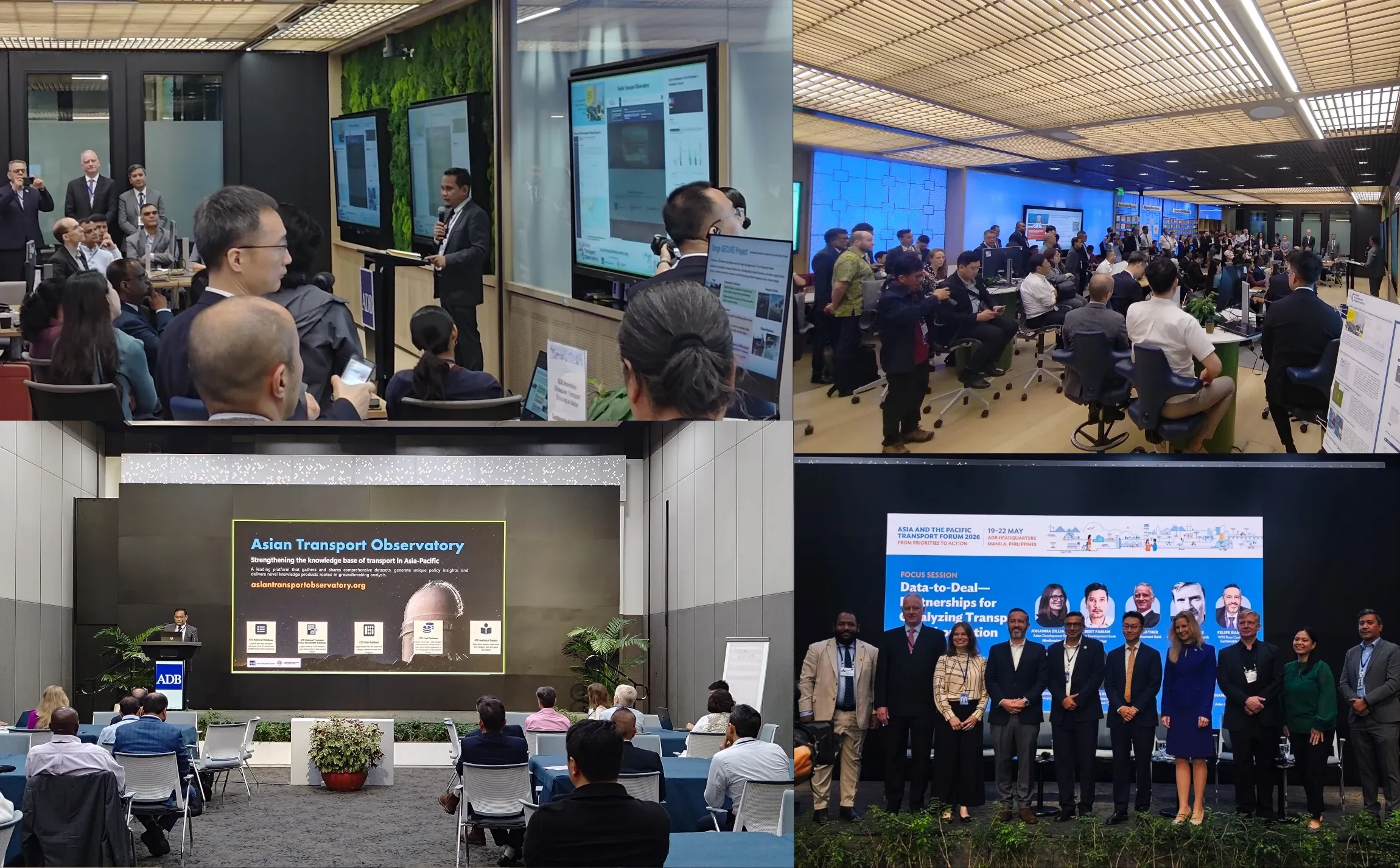
A key contribution was the presentation of new and emerging tools designed to help countries and development partners monitor progress, identify gaps, and support implementation. These included the Pacific Transport Observatory Platform, developed with support from the World Bank, which provides a dedicated space for transport data, policy insights, and analytical tools for Pacific countries. The platform reflects the Asian Transport Observatory’s broader effort to adapt regional data systems to the specific needs of subregions and country groups.
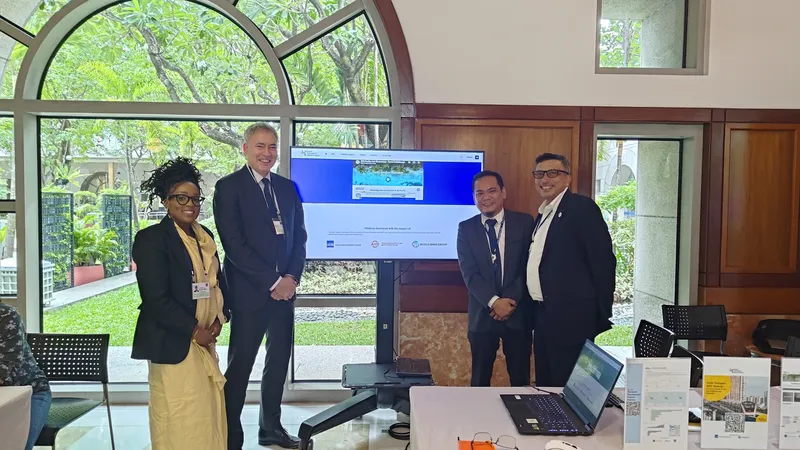
The ATO also showcased its work on country dashboards for the United Nations Decade of Sustainable Transport 2026–2035. The first batch of dashboards include Azerbaijan, Philippines, Palau, Fiji, Pakistan, Mongolia, Tajikistan. These dashboards are intended to help countries track transport-related progress across key areas such as access, safety, climate action, connectivity, and investment needs. By bringing together data and policy information in a user-friendly format, the dashboards aim to support national planning, monitoring, and dialogue during the Decade.
Another major contribution was the launch and presentation of the Transport Development Finance Explorer. This interactive tool helps users examine development finance flows for transport across Asia and the Pacific, including patterns by donor, recipient, transport mode, and thematic focus. The Explorer is particularly relevant as countries seek to better understand financing gaps, funding sources, and opportunities for aligning transport investment with low-carbon, resilient, and inclusive development priorities. This tool was developed with support from ADB's TA-6763 REG: Accelerating Innovation in Transport, under the Pathways for Decarbonization of the Transport Sector project. The project is funded by the Foreign, Commonwealth & Development Office (FCDO) and implemented by ADB in coordination with the Climate Compatible Growth (CCG) programme.
The ATO also introduced its work on the 2035 Outlook: Investment Needs of Low and Middle-Income Economies. This work provides a forward-looking assessment of transport investment needs and the scale of action required to support sustainable transport outcomes over the next decade. Together with the finance explorer, the 2035 Outlook offers a stronger analytical basis for discussions on how the region can close funding gaps and mobilize resources for better transport systems.
In addition, the ATO highlighted ongoing work on transport and climate resilience, including the Climate Resilience Dashboard developed through the support of the European Space Agency's Global Development Assistance Program.
The Forum also provided an opportunity to communicate the scale of the region’s transport challenges. Asian Transport Observatory analysis shows that around 1.4 billion urban residents in Asia and the Pacific lack convenient access to public transport, while only about 17 percent of more than 3,100 urban centers provide convenient public transport access to at least half of their population. Road safety remains another major concern, with surveyed road assessments showing that only a limited share of roads meet 3-star-or-better standards for pedestrians and motorcyclists. At the same time, the investment needs for sustainable transport in low- and middle-income countries remain substantial, estimated at around USD 2.6 trillion per year for 2025–2035.
As the region enters the United Nations Decade of Sustainable Transport 2026–2035, the Asian Transport Observatory is also entering a new phase. From a regional data initiative, it is evolving into a practical evidence platform that supports countries in tracking progress, identifying priorities, and connecting transport policy with investment and implementation.