
Transport in Review Solomon Islands 2026
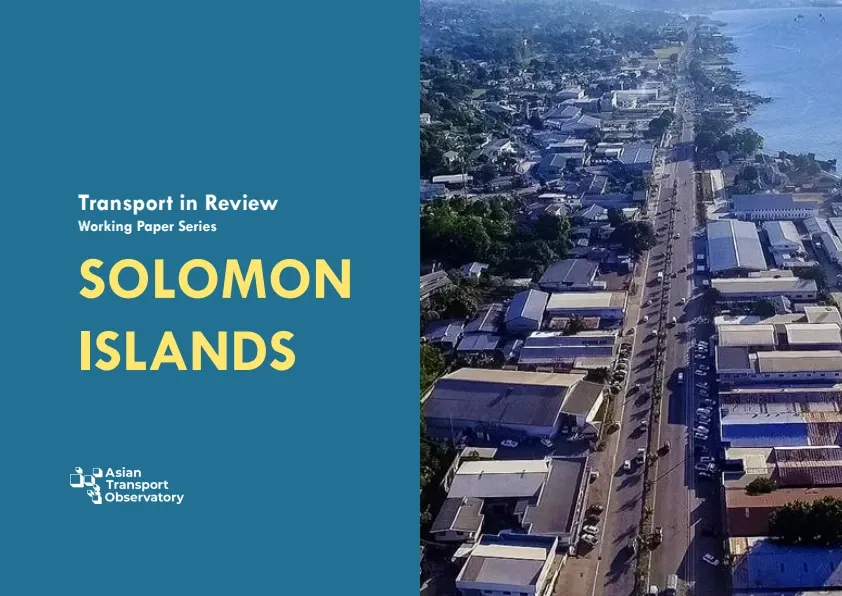
Transportation lies at the heart of the Solomon Islands’ development challenge as the country approaches graduation from Least Developed Country status in 2027. With 819 thousand people dispersed across nearly 1,000 islands, geography places exceptional demands on the transport system.
Transportation contributes 6–7% of gross value added and plays a central role in linking people, markets, and services, but continues to face constraints related to underinvestment, climate exposure, and structural inefficiencies. Parts of the road network needs better maintenance, maritime transport depends on an aging fleet, and aviation is still recovering. Access gaps persist, the Rural Access Index is about 52%, leaving roughly 240 thousand people without all-weather road access, while urban mobility in Honiara is shaped by disconnected streets and largely informal public transport. Transport accounts for around 25% of national greenhouse gas emissions and remains dependent on imported fossil fuels, even as climate shocks impose losses.
The report highlights the opportunity to strengthen economic resilience through improved maintenance, more equitable access, and solutions tailored to the realities of an island nation.
The development of this report has been supported by the Asian Development Bank, the Asian Infrastructure Investment Bank, and the World Bank.