Release
Tracking the Transition: Decarbonizing Transport in Asia-Pacific
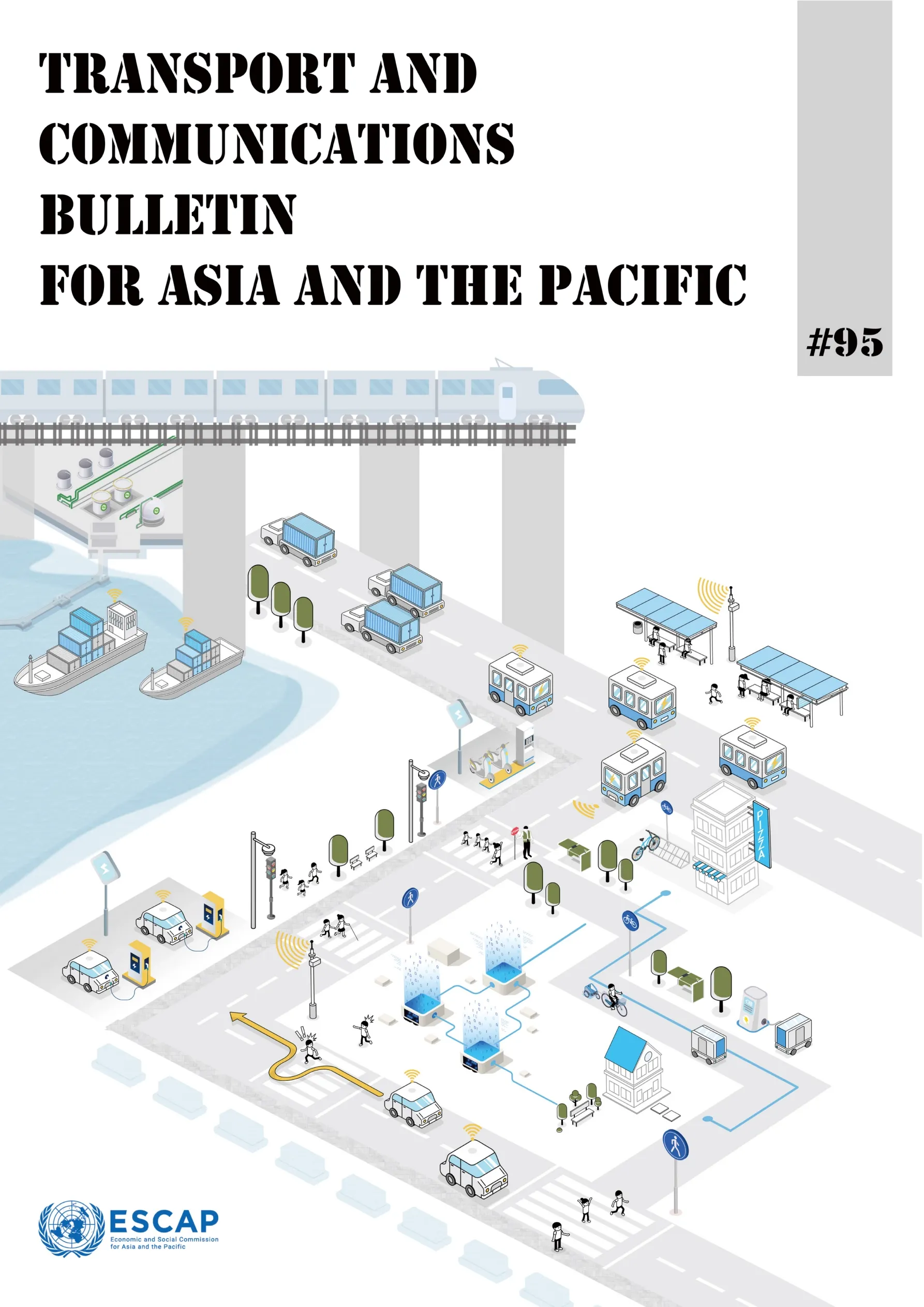
Asia-Pacific remains a key contributor to global transport emissions, accounting for 40% of domestic transport CO2 and over 80% of post-Paris Agreement growth in domestic transport emissions. These trends call for urgent, accelerated action.
ATO's contribution to the UNESCAP's Transport and Communications Bulletin for Asia and the Pacific #95 examines the region's policy landscape and emerging priorities relating to transport decarbonization:
- E-mobility leads the way. Since 2015, it has been the most widely adopted mitigation measure, supported by expanding EV charging networks and renewable energy integration.
- Local contexts matter. We observe trends and differences in terms of measures being taken by the various countries, showing how local contexts shape strategies.
- Broadening policy scope. Mitigation measures are increasingly covering aviation, shipping, rail freight, and logistics—signaling a move toward a more comprehensive approach to decarbonization.
- Mind the gap. Nationally Determined Contributions (NDCs) still lag behind the ambition reflected in broader transport policy documents, leaving room for better alignment.
The path forward will require targeted, sustained, and inclusive mitigation measures—tailored to local realities yet coordinated for regional impact.
decarbonizationAsiaSustainable TransportClimate ActionTransport PolicyPacific