ATO joins panel discussion at the 2024 Asia-Pacific Road Safety Observatory Annual Meeting
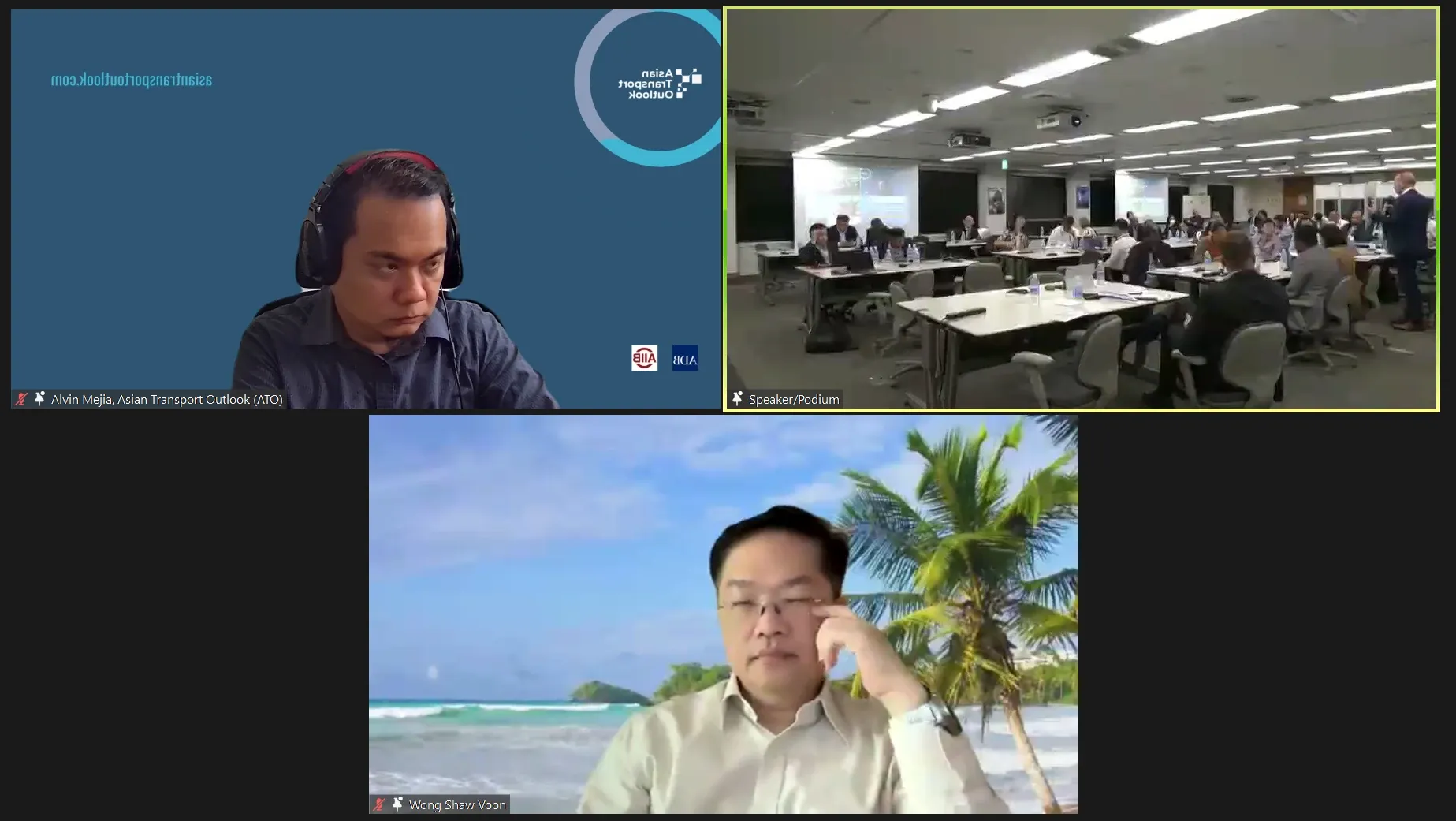
Asian Transport Outlook took part in a panel during the 2024 Asia-Pacific Road Safety Observatory Annual Meeting held last October 9, 2024. The panel focused on discussing Urban Road Safety Challenges. ATO discussed the importance of interlinking other urban transport challenges into processes relevant towards feeding into investment decisions, project alternatives selection, and policy measures formulation.
We emphasize the importance of recognizing cross-cutting issues in road safety and urban transport, drawing from our data and policy analysis across Asia. Our aim is to contextualize the needs of urban transport against the backdrop of limited resources, prioritizing strategies that maximize impact. This involves rethinking processes to harness co-benefits through holistic investment planning and translating data into actionable insights.
A key focus is the interconnectedness of road safety with other urban challenges, such as air quality, access, and economic sustainability. These elements are often overlooked in investment planning, project evaluation, and policy measures.
Asia’s rapid urbanization is projected to continue, with up to half of the global urban population increase by 2030 occurring in the region. This surge will amplify demands on urban transport systems, which already account for a significant share of passenger and freight transport. Addressing urban transport issues must include a focus on road safety, even though measures not explicitly labeled as such, to create safer and more integrated urban environments.
Access remains a significant challenge, with 1.4 billion people in urban Asia-Pacific lacking convenient access to public transport. Only 17% of cities in the region provide adequate public transport access to at least half their population. Improving access while enhancing road safety is crucial to reducing traffic incidents and promoting sustainable mobility.
Economic sustainability is another concern, as public transport systems, particularly buses, have not recovered since the pandemic. This decline could lead to increased reliance on individual motorized transport, raising road safety and air pollution concerns.
Air pollution, exacerbated by urban transport, remains a pressing issue. Recent data from over 850 cities shows that a third exceed WHO’s PM2.5 guidelines, with only two cities meeting the standard.
Solutions can be seen from such a perspective that embrace the interconnection of the issues:
- Safe Road Users: Promoting clean, integrated public transport encourages safer travel, reduces air pollution, and supports affordable mobility.
- Safe Vehicles: Enhancing vehicle emission standards, vehicle inspection, and adopting cleaner technologies like electric vehicles can significantly improve road safety and reduce emissions.
- Safe Roads: Designing infrastructure with dedicated spaces for non-motorized transport and ensuring equitable access to safe transport facilities fosters economic growth and minimizes pollution.
- Safe Speeds: Speed management not only reduces crash severity but also cuts fuel consumption and emissions, enhancing both safety and economic sustainability.
- Post-Crash Care: Efficient emergency response systems save lives and reduce long-term health impacts, enabling reinvestment in road safety improvements and pollution reduction.
Find out more about road safety in Asian economies by going through the road safety profiles that were co-developed by ATO with APRSO: https://asiantransportoutlook.com/analytical-outputs/roadsafetyprofiles/