ATO Brings Regional Evidence to SwissCham Urban Mobility Roundtable
The Asian Transport Observatory contributed regional data, comparative analysis, and policy recommendations to the Swiss Chamber of Commerce of the Philippines’ Policy-to-Practice Roundtable on Advancing Sustainable and Efficient Urban Mobility, held on 23 July 2026 in Metro Manila, Philippines.
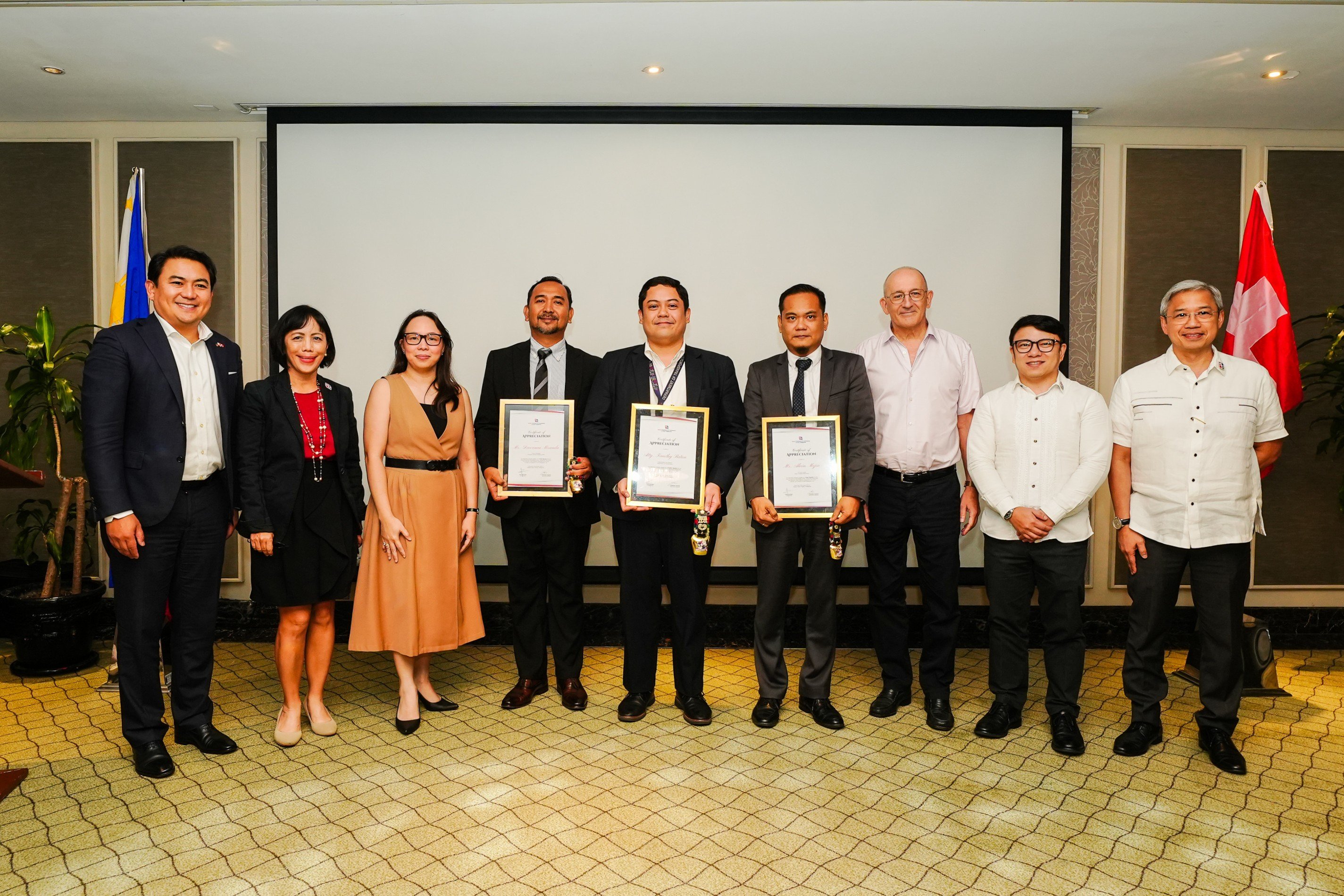
The event brought together senior government officials, transport practitioners, diplomats, and business leaders to discuss the Philippines’ transport infrastructure pipeline, the challenges affecting project delivery, and opportunities for stronger public-private collaboration. The roundtable was opened by Felix Fiechter, Chairperson of SwissCham Philippines, with the participation of H.E. Bernard Dy, Philippine Ambassador to Switzerland, and Hans-Christian Baumann, Deputy Head of Mission of the Embassy of Switzerland in the Philippines. Their presence underscored the importance of sustainable infrastructure and mobility to the broader economic relationship between Switzerland and the Philippines.
Department of Transportation Undersecretary for Railways Timothy John Batan delivered the keynote presentation, providing an overview of major urban rail investments, including
the North–South Commuter Railway and the Metro Manila Subway. He discussed how these projects are expected to strengthen connectivity and economic productivity, as well as the importance of collaboration with the private sector.
The panel also featured Philippine National Railways General Manager Deovanni Miranda, who discussed the operational realities of managing existing rail services while the country transitions toward a more modern and interconnected railway system. Alvin Mejia, Co-Team Lead of the Asian Transport Observatory, provided the regional and evidence-based perspective, examining the performance of Metro Manila’s transport system against other major Asian cities.
ATO emphasized that congestion should be understood not simply as slow traffic, but as a wider economic and competitiveness problem. Unreliable mobility affects worker access, delivery schedules, logistics costs, fleet productivity, road safety, public health, and access to markets.
Drawing on ATO data and regional experience, ATO’s intervention stressed that major infrastructure projects must be supported by feeder services, efficient interchanges, walking access, public transport priority, freight management, and coordinated operations. ATO also highlighted the need to move from isolated projects toward accountable corridor programs that measure outcomes such as reliability, person-throughput, accessibility, safety, emissions, and the efficient movement of goods.
The roundtable concluded with an industry dialogue on how businesses can contribute not only through financing and construction, but also through technology, operational expertise, data sharing, workplace mobility planning, cleaner fleets, and logistics optimization. The discussion demonstrated ATO’s role in translating transport data into practical insights that can support better policy, investment, and public-private cooperation across the Philippines and the wider Asia-Pacific region.