
Transport in Review Papua New Guinea 2026
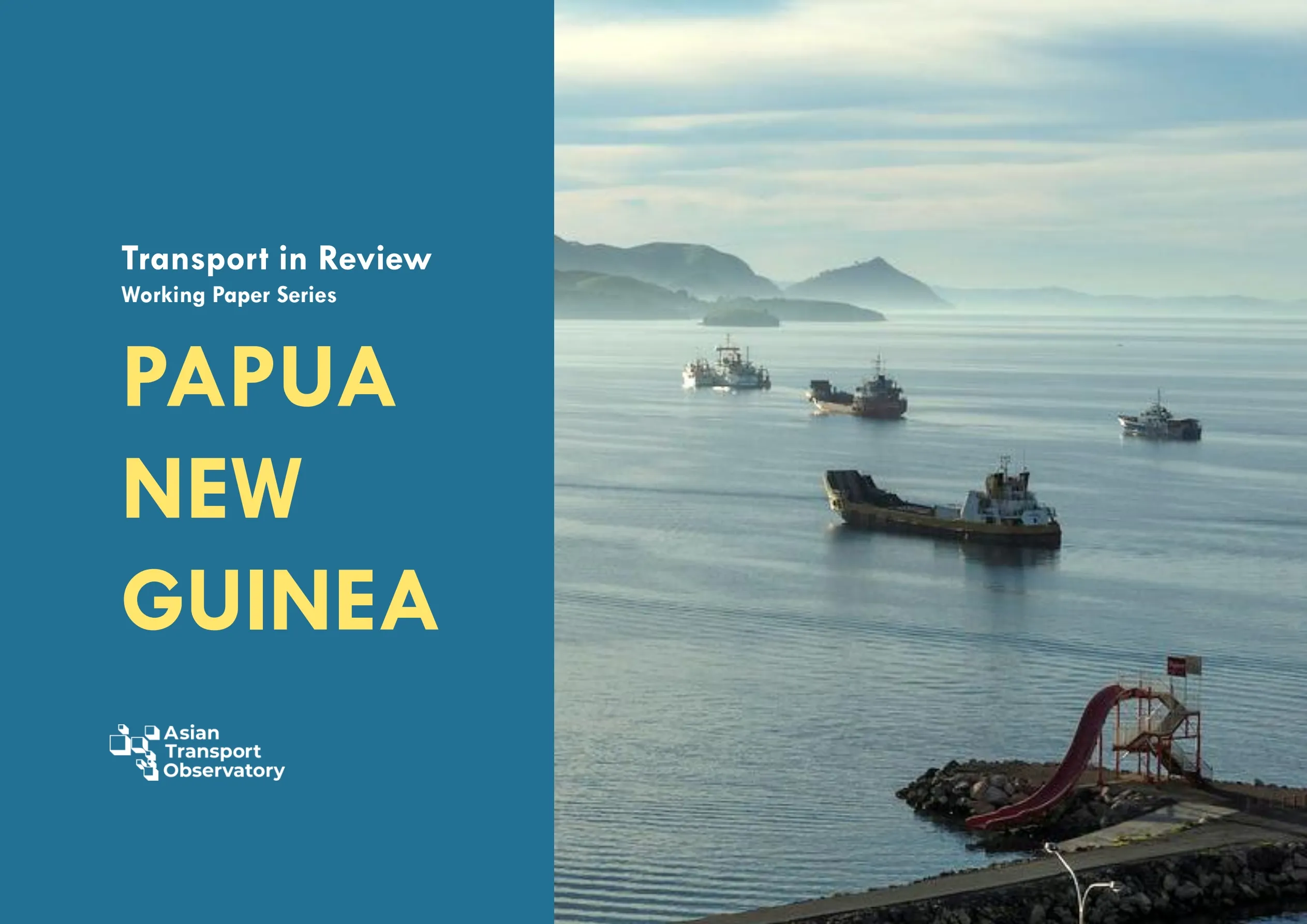
The Transport in Review: Papua New Guinea working paper provides a data-driven overview of the country's transport system at a pivotal moment for national connectivity, resilience, and inclusive development. Papua New Guinea’s geography—defined by rugged mountains, remote valleys, dispersed islands, and long coastlines—makes transport essential for linking people to markets, services, jobs, and opportunities.
The review examines the country's transport performance across roads, ports, aviation, rural access, urban mobility, road safety, climate resilience, emissions, technology, investment, and institutional arrangements. It highlights the importance of major national initiatives such as Connect PNG, while also underscoring persistent challenges related to road condition, maintenance financing, rural accessibility, public transport coverage, transport safety, and exposure to climate-related hazards.
The paper shows that Papua New Guinea is making important progress in strengthening its transport policy and investment agenda. However, sustaining these gains will require continued attention to asset management, maintenance-first approaches, resilient infrastructure design, and stronger institutional capacity. By providing a baseline across multiple dimensions of sustainable transport, the working paper supports a better understanding of how transport can contribute to economic diversification, social inclusion, and long-term resilience in Papua New Guinea.